
Assembling Freedom #27
From POD256 ep. 115 - Bitaxe to Exahash: Inside HydraPool’s Record Stress Test and What’s Next

Tech Enthusiast Edition – Deep Dive into Open-Source Bitcoin Mining, Pool Scalability, and Hardware Innovation
Welcome to this in-depth newsletter recap of POD256 Episode 115 (streamed live from Bitcoin Park). Hosts @econoalchemist, @skot9000, and @tylerkstevens break down the open-source Bitcoin mining ecosystem’s biggest recent milestone: HydraPool’s record live stress test during Telehash #4. They explore how hobbyist-grade single-chip Bitaxe miners can coexist with exahash-scale renters, the technical wizardry behind ultra-low rejection rates and server efficiency, cooling tech shifts, and the push for industry-wide open standards via the 256 Foundation.
This episode is a masterclass in decentralized mining infrastructure. Expect detailed metrics, protocol deep dives, hardware specs, and actionable insights for anyone building, hacking, or scaling Bitcoin miners.
1. The Record-Breaking HydraPool Stress Test: Raw Metrics & Why They Matter
HydraPool (part of the 256 Foundation’s open-source stack) handled a 6.5-hour live stress test that pushed real-world limits while staying rock-solid. Key takeaway: a self-hosted pool can scale from tiny hobby rigs to massive fleets with minimal overhead.
Stress Test Breakdown Table
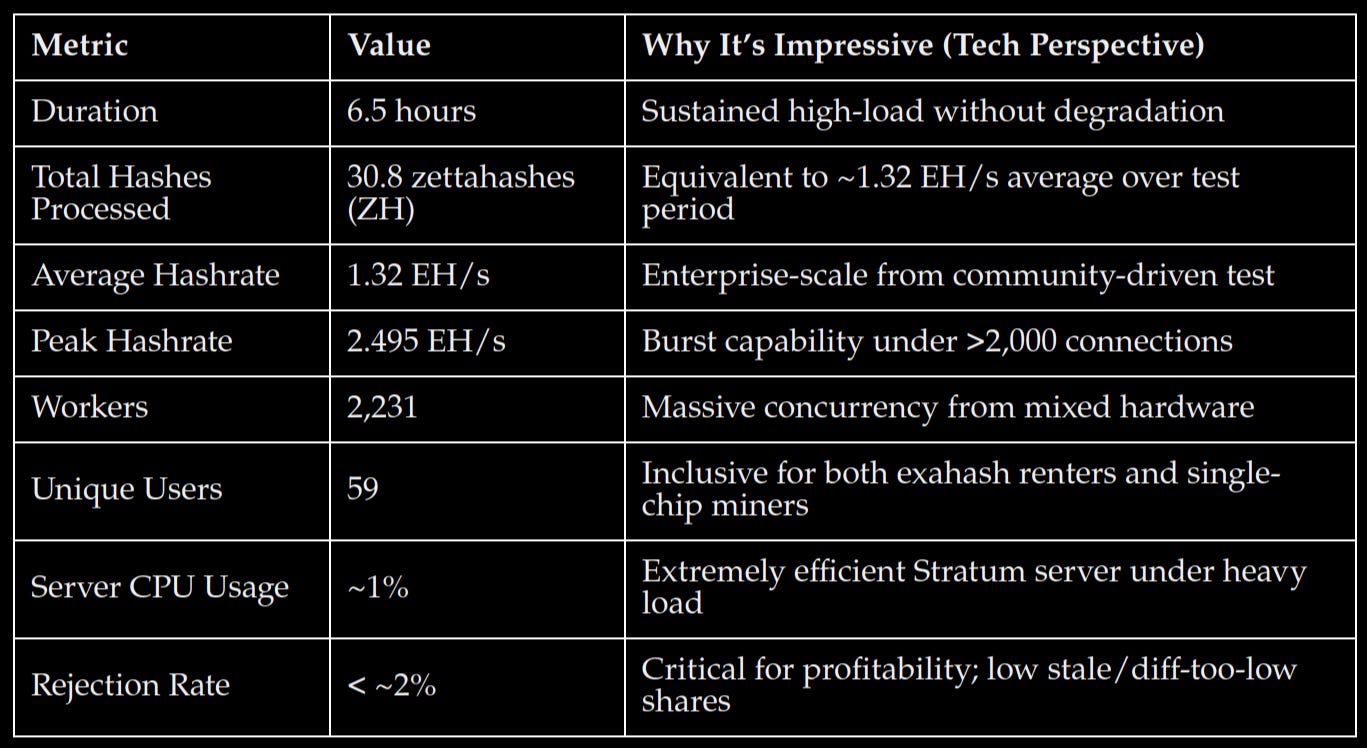
Key Technical Insights (Bullet Breakdown):
Rejection rates matter: In pooled mining, stale shares (late submissions) and “difficulty too low” shares waste bandwidth and reduce payouts. Sub-2% keeps efficiency sky-high vs. solo mining’s higher variance.
Scalability win: >2,000 simultaneous connections at ~1% CPU proves HydraPool’s lightweight design (P2Pool v2-inspired with modern payout strategies). Perfect for self-hosting on modest hardware.
Inclusivity engineering: Stratum “suggest difficulty” + custom password parameters (
d=for starting difficulty,h=for hashrate hint) dynamically right-size difficulty. A 1 TH/s Bitaxe and a 1 EH/s fleet both connect seamlessly without manual tweaks.
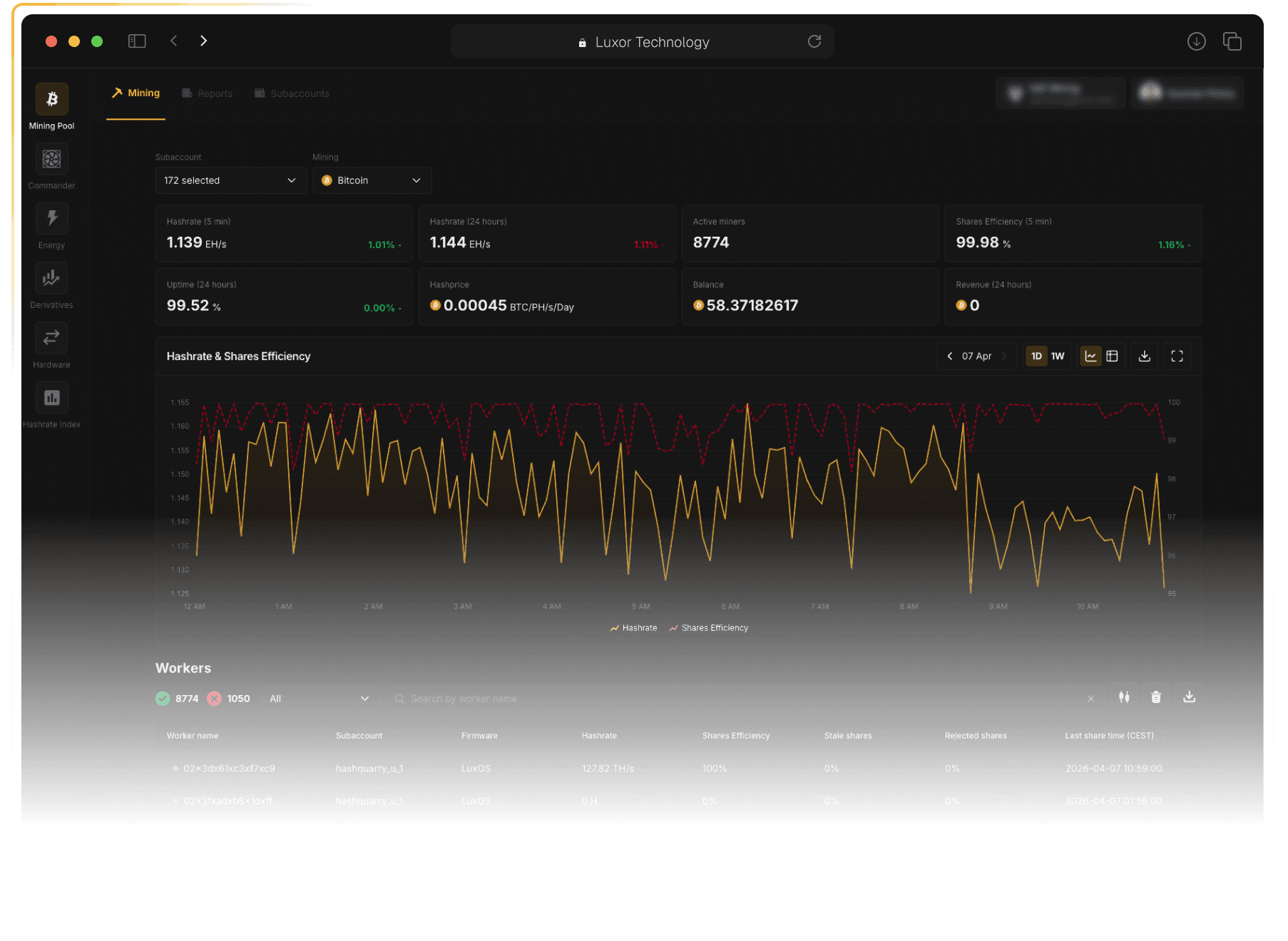
(Example of a modern mining pool dashboard showing real-time hashrate, shares efficiency, and worker stats – HydraPool’s HashDash delivers similar live visibility.)
2. From Bitaxe to Exahash: Hardware Spectrum & Open-Source UX Upgrades
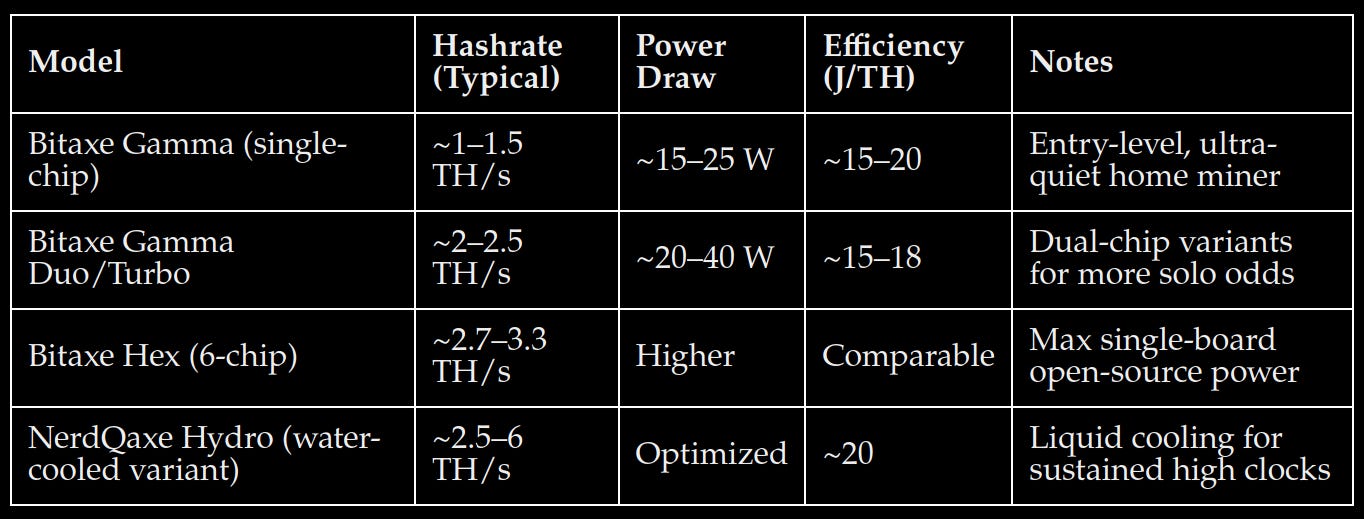
Bitaxe represents the democratization of mining: affordable, Wi-Fi-enabled, fully open-source design anyone can mod or build. The episode highlights how these tiny rigs fit into exahash pools.
Bitaxe Model Comparison Table (Current Generation Examples)
Bullet Deep Dive:
UX revolution: New LVGL-based UI (Figma-designed) + support for external displays/knobs. No more clunky web dashboards – plug-and-play like consumer electronics.
DOOMAXE fun: Community easter eggs show the playful hacker spirit behind serious infrastructure.
Scale math: 1 EH/s ≈ 1.4 million Bitaxe Supra units. These home miners are debt-free, electricity-neutral, and censorship-resistant.

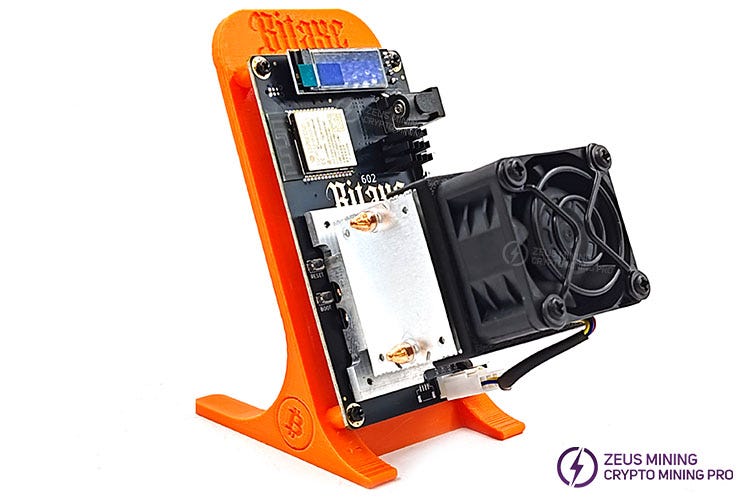
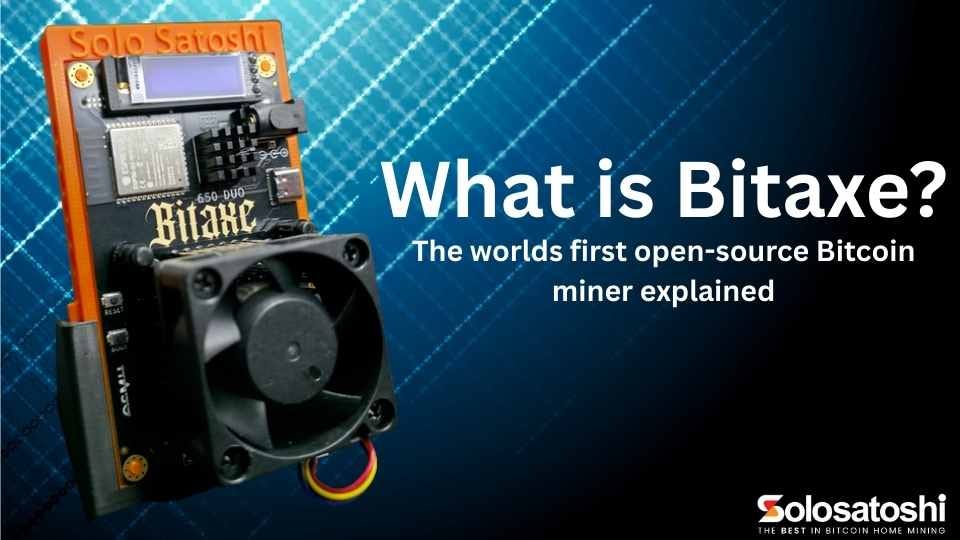
(Upper: Bitaxe Gamma 602 in orange stand – compact, fan-cooled. Lower: Classic Bitaxe Duo setup with clear open-source PCB visibility.)
3. Cooling Wars: Why Hydro Is Winning Over Immersion
The episode contrasts declining immersion cooling (dielectric fluid baths) with rising hydro (water-based) solutions.
Pros/Cons Table
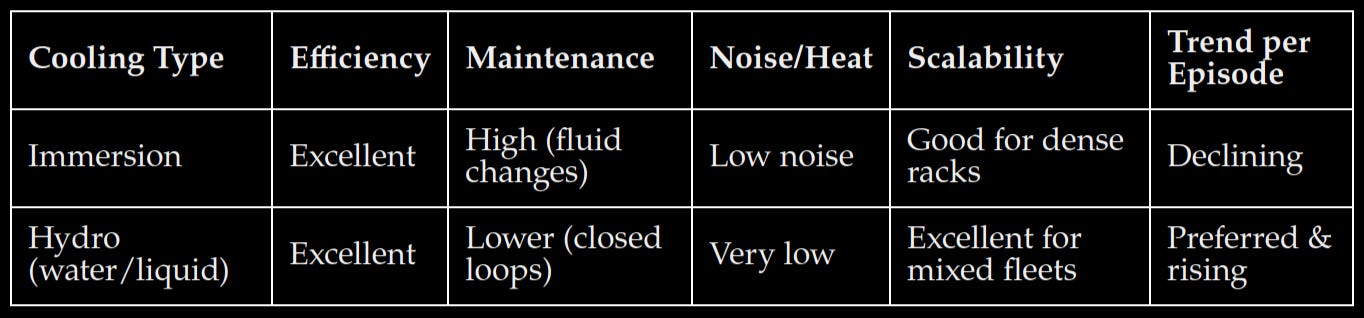
Insights: - Hydro enables quieter, more modular deployments – ideal for both home Bitaxe rigs and industrial fleets. - Example: NerdQaxe Hydro variants hit sustained high hashrates with integrated radiators and glowing aesthetics.
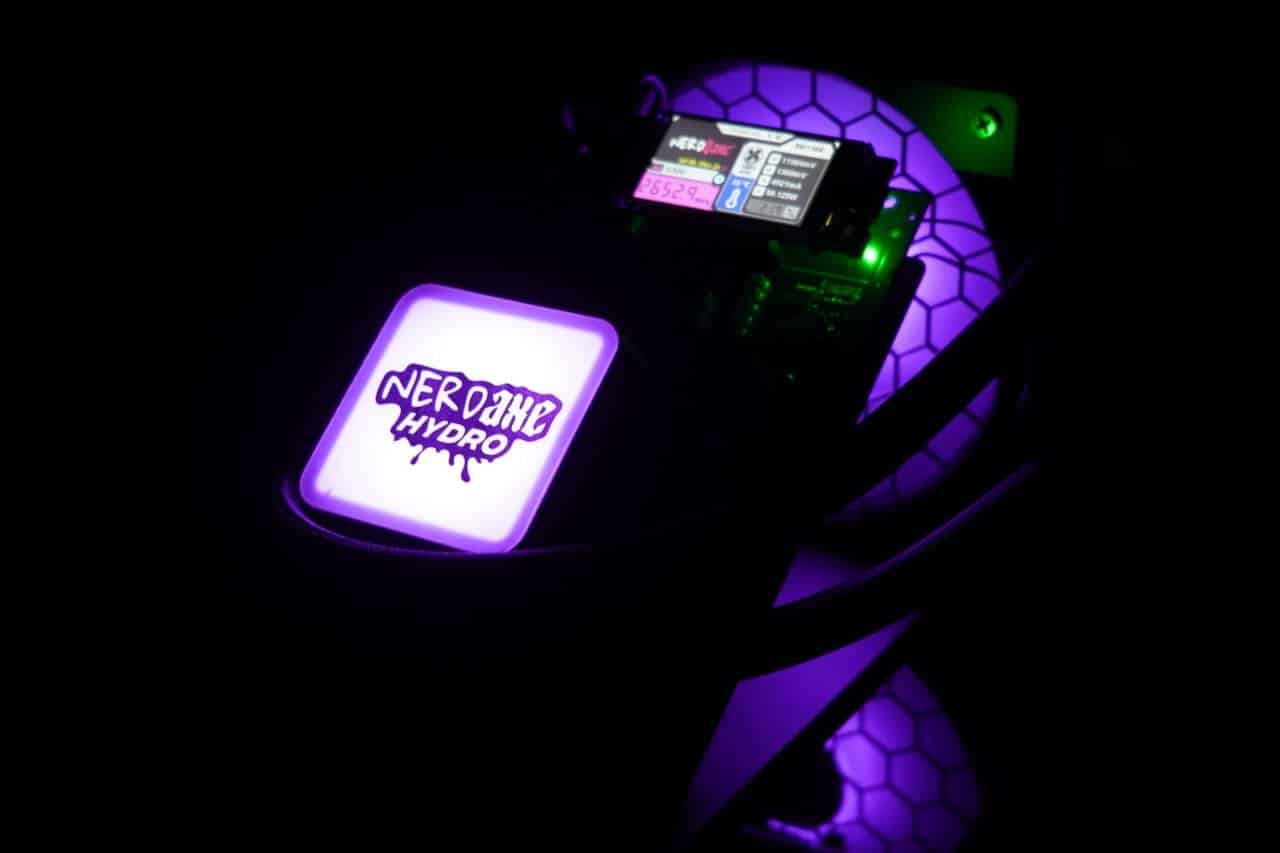
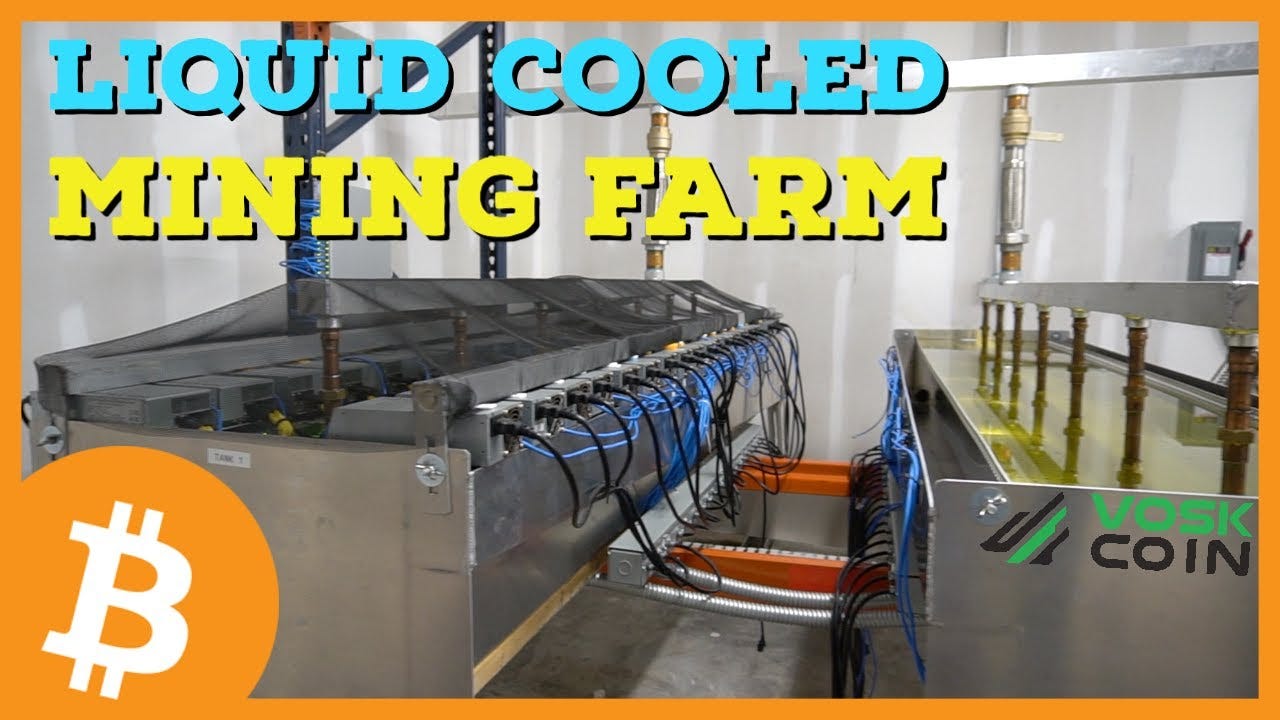
(Upper: NerdQaxe Hydro – glowing water-cooled Bitaxe variant. Lower: Industrial immersion farm tanks for contrast.)
4. Industry Standardization & The 256 Foundation Vision
Open reference designs for firmware (Mujina), control boards (LibreBoard), hashboards (Ember One), and pools (HydraPool) slash costs and vendor lock-in risks.
Key Initiatives:
GridPool “winners list”: Decentralized variance smoothing.
Vardiff dynamics & Patoshi story: Historical context on nonce handling and difficulty adjustment.
Security angle: FCC Wi-Fi rules, avoiding vendor backdoors – open firmware is critical.
Privacy: VPN mining options for anonymity.
Roadmap: Slowing ASIC efficiency gains mean software/infra innovation is the new frontier. Telehash #5 incoming; 256 Foundation’s Discourse forum and dev calls for collaboration.
Related X Posts (Community Pulse):
From 256 Foundation (Jan 2026): “Lots of working going on behind the scenes… @D_plus__plus built this amazing public facing hashdash for us, you can start helping us stress test Hydra Pool now: https://dash.256f.org/”– Direct tie-in to the stress test prep.


From @skot9000 (Bitaxe project instigator): “1 EH/s hashrate would solve (on average, currently) a block every 4 days… That’s a legion of miners that; - didn’t take on debt… are undetectable…” – Perfect encapsulation of the Bitaxe-to-exahash ethos.
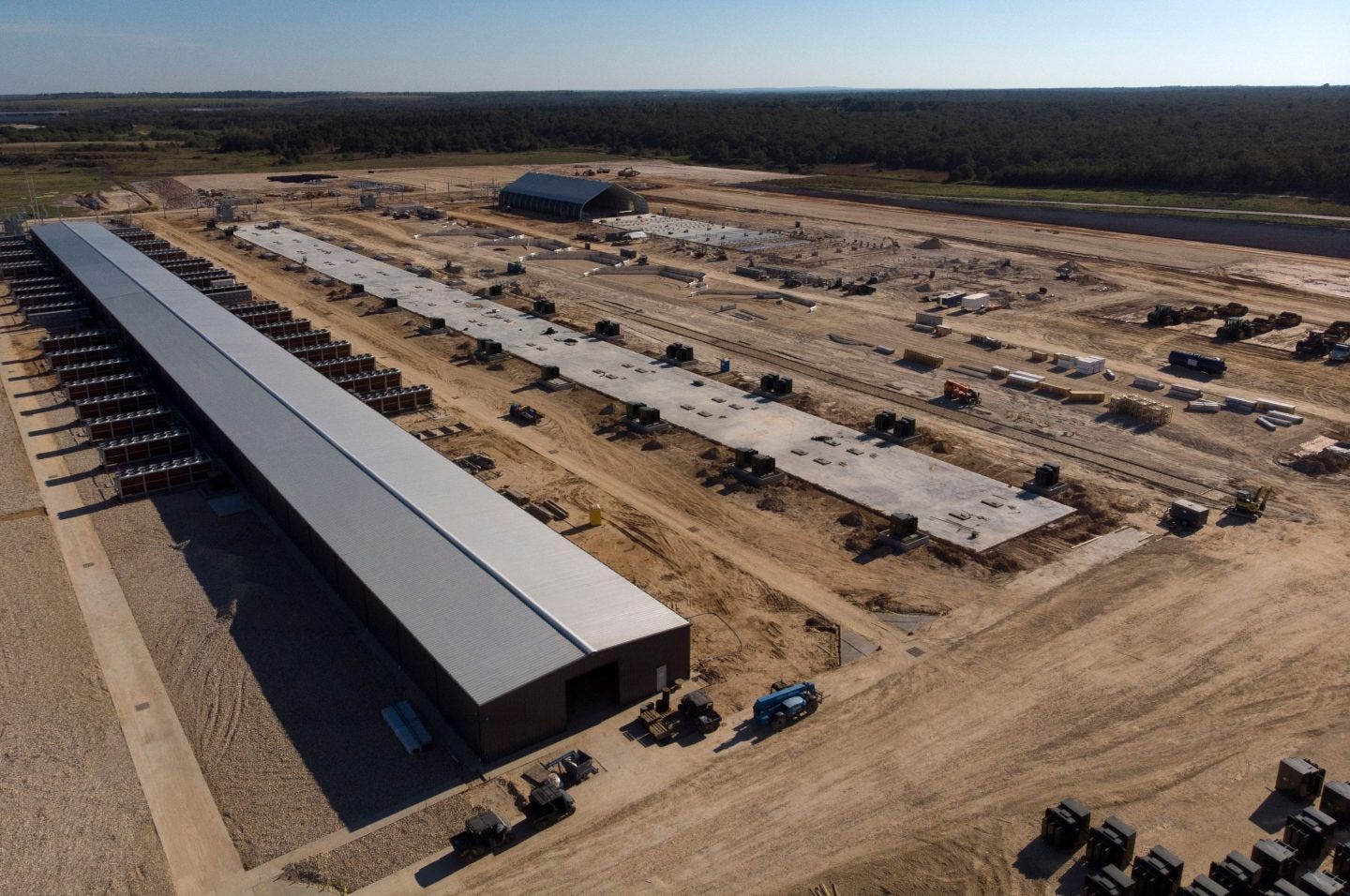
(Aerial view of massive Bitcoin mining farm – visualizing the exahash end of the spectrum.)
What’s Next?
Telehash #5 and expanded gamification (leaderboards, loyalty uptime).
Call to ASIC makers and big miners: Adopt open standards for firmware, racks, cooling, and power.
256 Foundation’s four pillars (Ember One, Mujina, LibreBoard, HydraPool) get runway extension via community grants.
This episode proves open-source Bitcoin mining isn’t niche anymore – it’s the scalable, resilient future. Whether you run a single Bitaxe on your desk or rent exahash, the tools are here.
Tune in: Full episode on Fountain, Spotify, or pod256.org. Support via zaprite link in show notes.
Stay hashin’ – the open future is being built one pull request at a time.
(Newsletter generated directly from episode page and related sources for maximum technical accuracy.)
All of our newsletters are published under the CC0 1.0 license.