
Assembling Freedom #19: Revolutionizing Bitcoin Mining - Hacking Antminers with Mujina Firmware
A weekly newsletter

Introduction
Welcome to Assembling Freedom #19, where we dive deep into the world of open-source innovations in cryptocurrency mining. This newsletter is inspired by POD256 Episode 107: “Hacking the Antminer: Mujina on Stock Control Boards, Dev Fees Be Gone.”
Hosted by Tyler, Skot, and eco, the episode explores the technical intricacies of deploying Mujina—an open-source Bitcoin mining firmware—directly onto stock Bitmain Antminer S19 control boards. This hack eliminates the need for SD cards, unlocks advanced controls, and banishes developer fees, empowering miners with full transparency and customization. Mujina, developed under the 256 Foundation, is a Linux-based firmware supporting multiple ASIC chips, Stratum V1, and extensible drivers. We’ll break down the key concepts, provide a technical deep dive, include visuals for better understanding, and highlight related discussions from X.
Key Takeaways
Open-Source Empowerment: Mujina allows miners to run custom firmware on stock hardware, avoiding proprietary lockdowns and dev fees that act like SaaS subscriptions.
Hardware Compatibility: Supports Antminer S19 models, with extensions for Whatsminer, Avalon, and more, making it versatile for various ASIC setups.
Community-Driven Development: Contributions are encouraged via GitHub, with AI-assisted pull requests and new CI pipelines accelerating improvements.
Practical Benefits: Enables single-board operations, fan and temperature control, and APW12 PSU management, while supporting immersion cooling without spoofers.
Industry Critique: Highlights issues like opaque OEM support, warranty hassles, and high MOQs that hinder innovation, positioning open-source as the path to resilience.
Future Visions: Discussions on predictive maintenance, self-hosted pools like HydraPool, and grassroots devices like Bitaxe Turbo Touch emphasize decentralized mining from home heaters to megawatt farms.
Call to Action: The episode urges community participation—testing tools, filing issues, and supporting the 256 Foundation to build trustless stacks.
Technical Breakdown
The core hack discussed involves flashing Mujina onto stock Antminer S19 control boards using Ethernet/USB via LuxOS, bypassing the need for physical SD cards. This unlocks unprecedented control over hardware components, but it’s not without risks. Below is a step-by-step breakdown tailored for tech enthusiasts interested in replicating or understanding the process.
Flashing and Setup Process
Preparation: Ensure you have a stock Bitmain Antminer S19 with its original control board. Access LuxOS for flashing— a tool that facilitates Ethernet/USB-based firmware updates.
Flashing Mujina: Use LuxOS to push the Mujina firmware directly to the board. This process leverages the board’s native interfaces, avoiding hardware modifications initially.
Driver Integration: Post-flash, integrate custom drivers for temperature sensors, fans, and the undocumented APW12 PSU interface. These drivers are written in Rust for efficiency and are part of Mujina’s async implementation.
Configuration: Enable features like single-board mode for minimal setups or immersion tweaks. Monitor for overheating, as improper fan control can trip breakers.
Testing and Optimization: Run diagnostics using tools like HashScope (a Stratum MITM proxy) for debugging miner-pool interactions.
Challenges and Solutions
Overheating Risks: Without proper driver tuning, boards can overheat, leading to electrical failures. Solution: Implement real-time temperature monitoring and automated fan adjustments.
Undocumented Interfaces: The APW12 PSU lacks official docs, requiring reverse engineering. Community mods, like 120V hardware tweaks by Zach Bomsta and PivotalPlebTech, help adapt for different voltages.
Dev Fee Elimination: Closed firmware imposes fees; Mujina replaces this with open models, allowing miners to redirect resources to actual support and maintenance.
Immersion Cooling Adjustments: Skip fan spoofers by directly tweaking firmware for liquid immersion setups, improving efficiency in high-density environments.
Comparison: Open-Source vs. Closed-Source Firmware
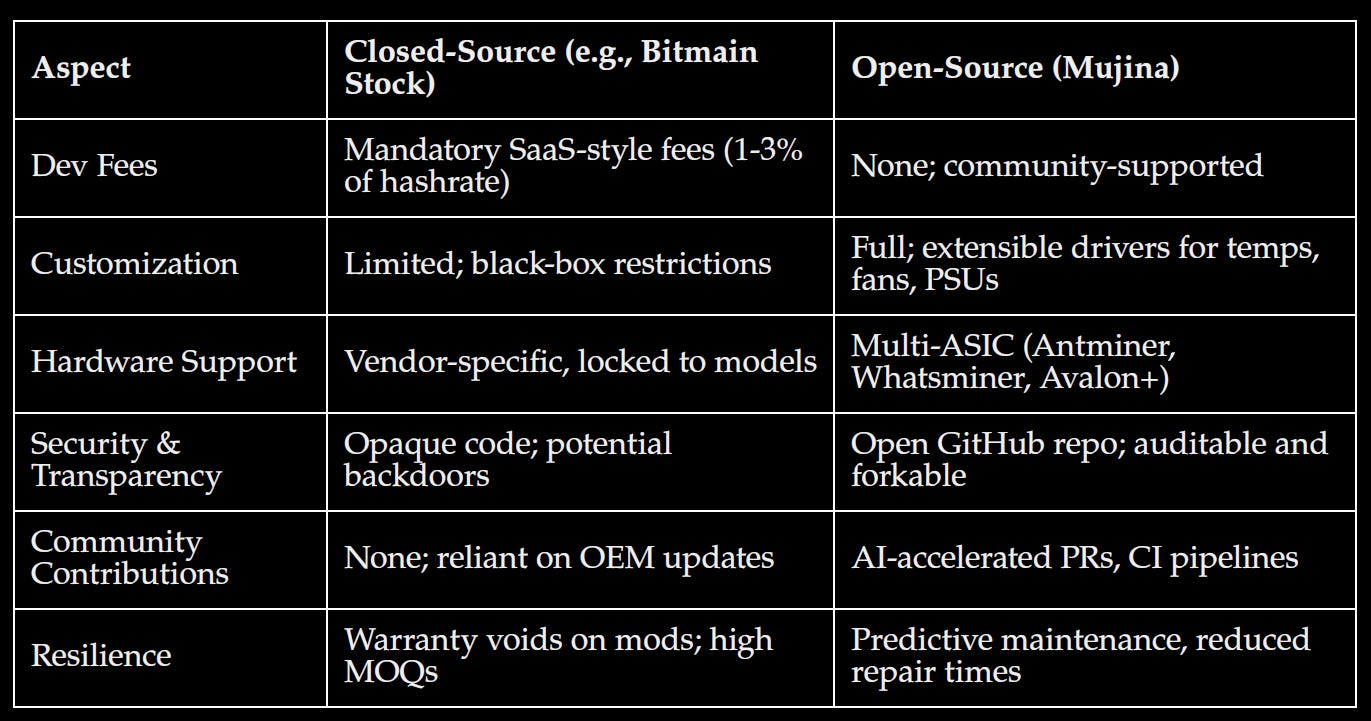
This table illustrates why Mujina is gaining traction—it’s not just about cost savings but building a robust, decentralized ecosystem.
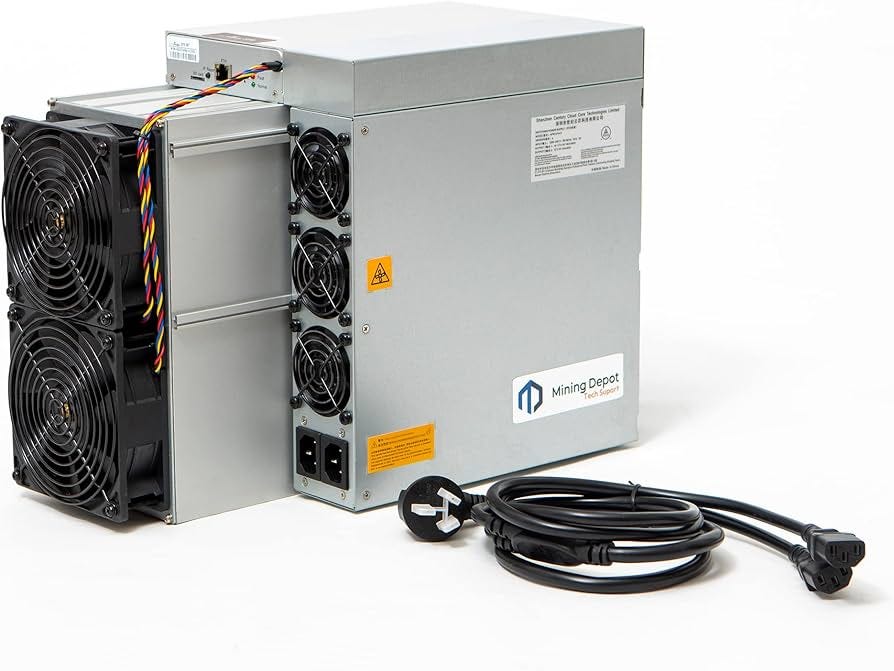
The Antminer S19 is the star hardware here, a powerful ASIC miner known for its efficiency in Bitcoin hashing.
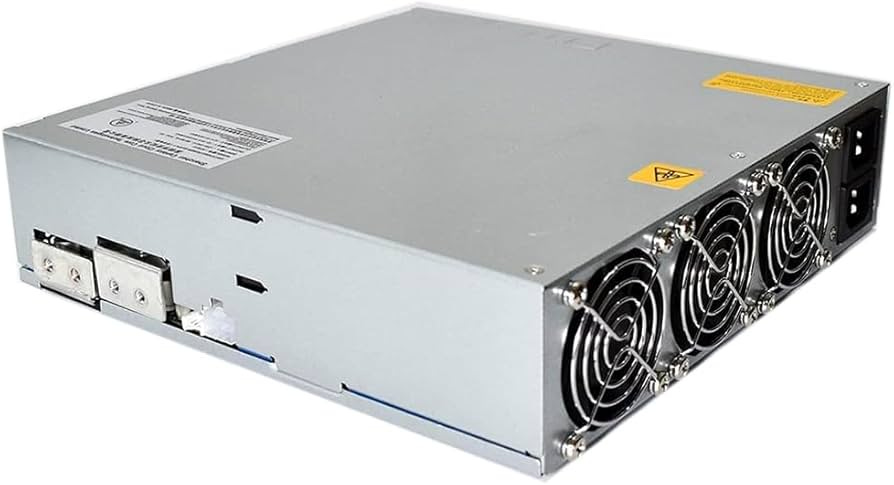
For power management, the APW12 PSU is crucial, often requiring mods for optimal performance.
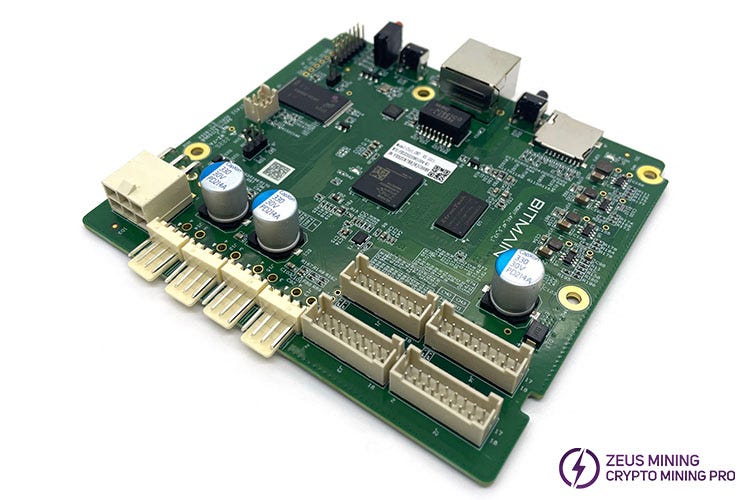
The control board itself is the brain of the operation, where Mujina takes root.
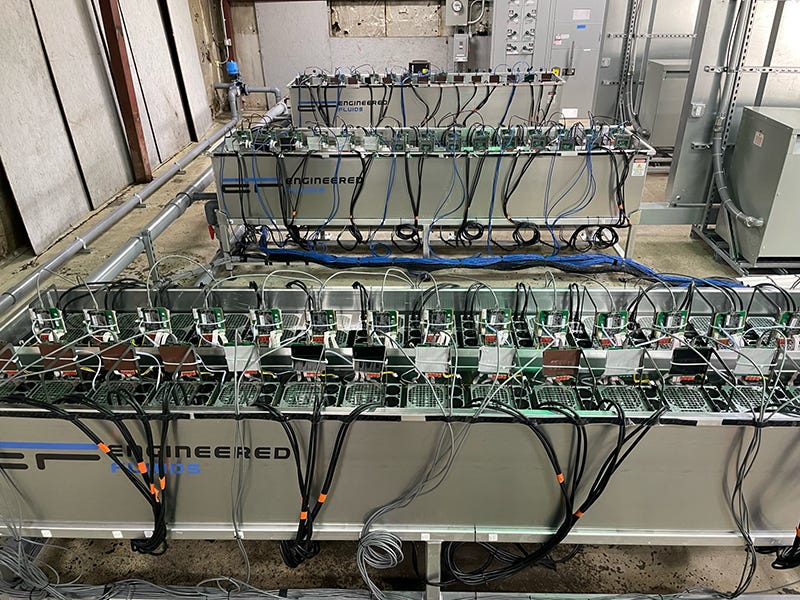
Immersion cooling setups, discussed for advanced tweaks, submerge hardware in dielectric fluid for superior heat dissipation.
Related Discussions on X
The Bitcoin mining community on X is buzzing about Mujina’s potential. Here are some highlighted posts that echo the podcast’s themes.
Skot (@skot9000) shared: “I essentially vibe coded S19j Pro support into Mujina firmware in a few hours. There will be no stopping of this train.” He credits Ryan Kuester for the architecture.

The 256 Foundation (@256FOUNDATION) explained: “Mujina firmware: The ‘brain’ software you can customize. Open boards: Build-your-own hardware parts. Hydra Pool: A friendly spot to pool your mining power.”

Tyler Stevens (@tylerkstevens) advised: “American Bitcoin, you should check out the @256FOUNDATION if you support custom firmware. Mujina is open-source, ready for tweaks, inspection and offers no dev fees.”


Jungly (@jungly) promoted: “‘Mujina is an open-source Bitcoin mining firmware built to support a number of ASIC chips.’ If you aren’t following what @ryankuester is doing with mujina - go check out now!”


Michael Schmid (@Schnitzel) highlighted the stack: “This miner ran on: Mujina, open-source miner firmware… HydraPool, fully open-source mining pool. The miner didn’t just run open software, it mined to its own open pool.”


These posts underscore the growing momentum behind open-source mining tools, aligning with the podcast’s vision of a community-powered future.
Closing Thoughts
This hack represents a pivotal shift towards open, resilient Bitcoin mining. If you’re a tech enthusiast, consider contributing to Mujina on GitHub or experimenting with these tools. Stay tuned for more deep dives—subscribe and share your thoughts!